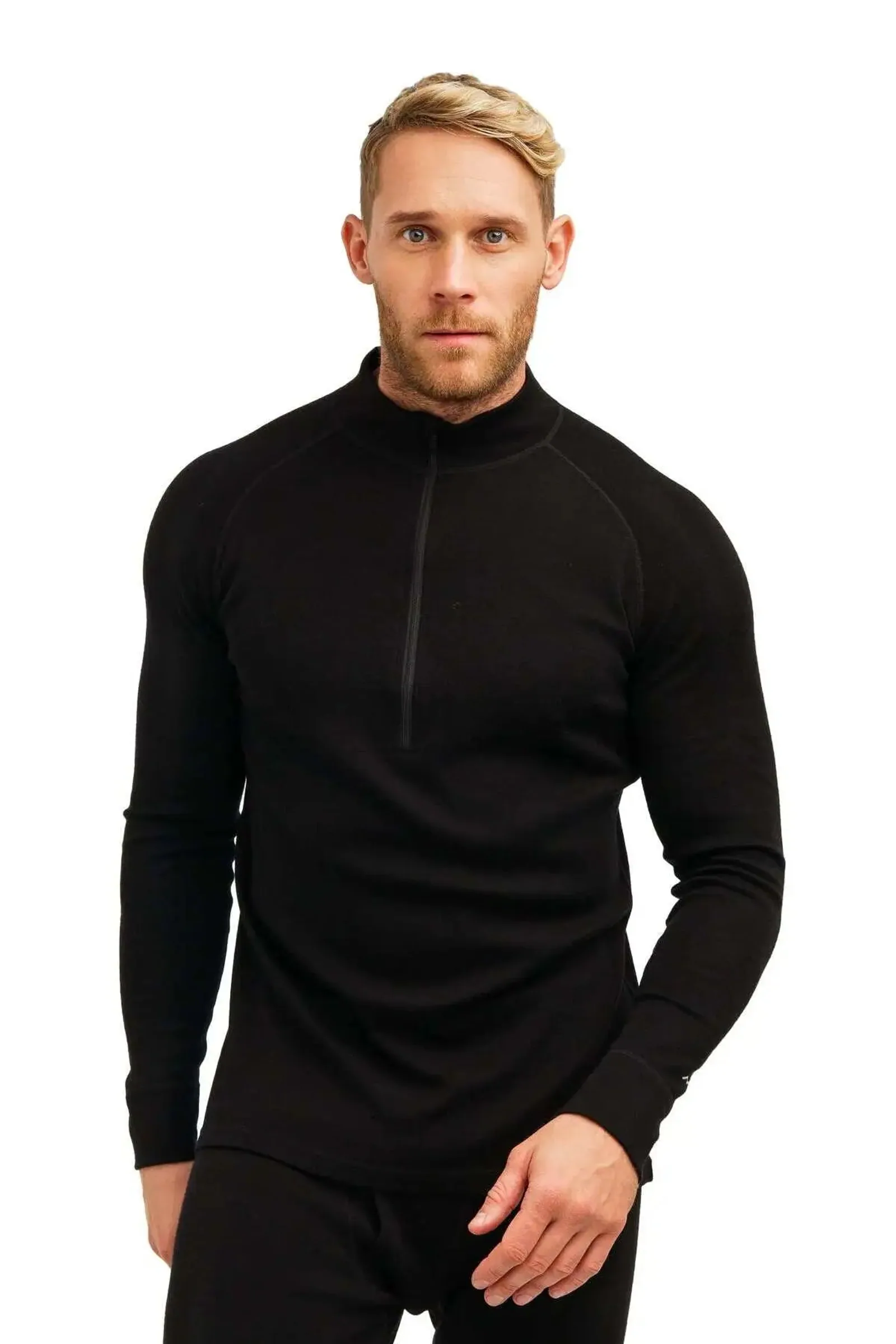
How to Choose Merino Wool Base Layers: A Buying Checklist
Choose merino base layers by needed pieces, fit, fabric weight and care. Build a suitable outfit before comparing bundles, brands or discounts.
Source-based research
Build a merino clothing shortlist around base-layer tops, bottoms, sets and T-shirts, starting with the gaps in your existing outfit.
Find your next useful read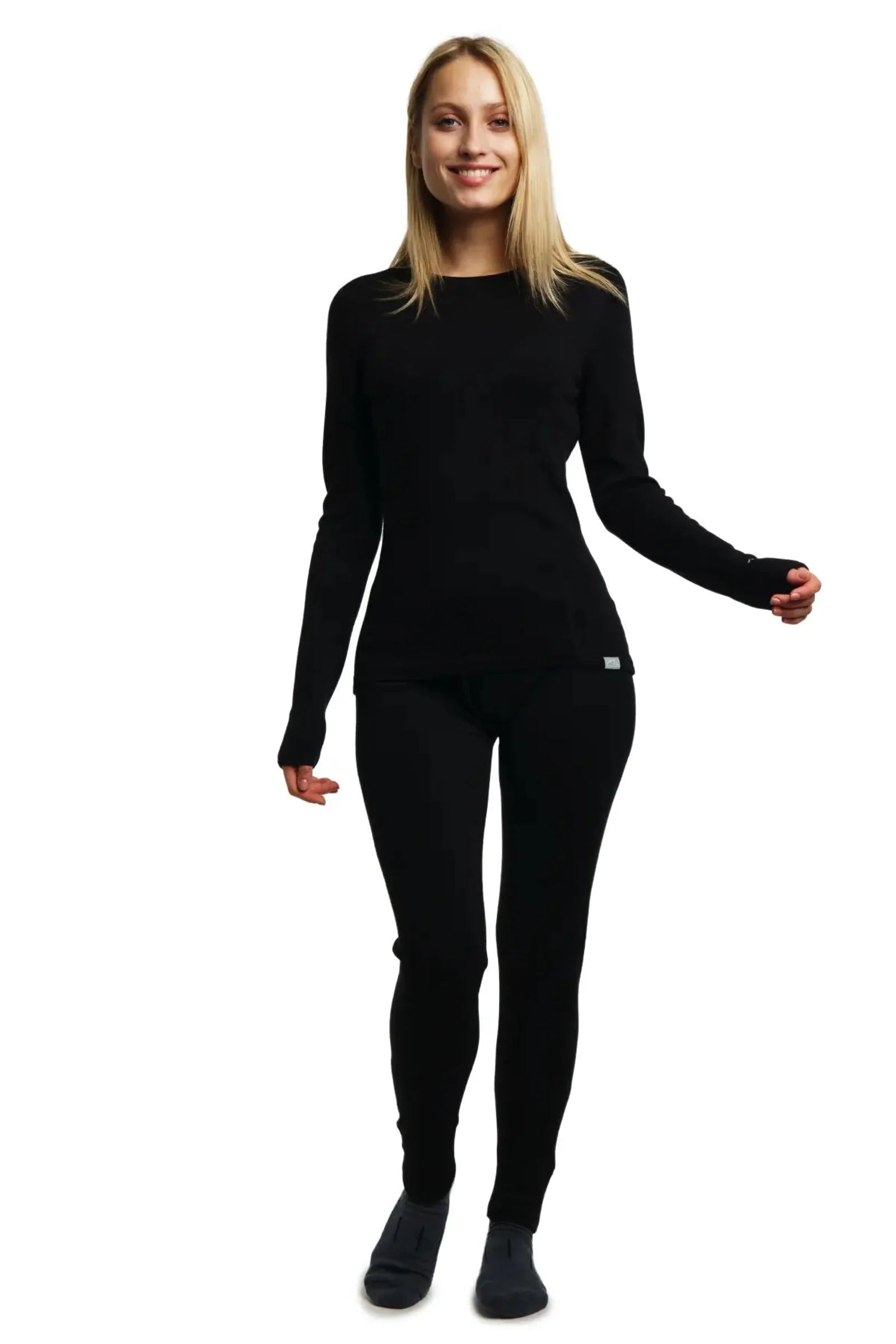
Think about the part of your clothing system that needs to work better. Do you need a top that sits comfortably under another layer, a pair of bottoms for a colder outing, or a T-shirt that fits your travel routine? Buying a set is convenient when both pieces meet your needs; separate pieces give you more room to choose their weight, size and shape independently. Our base-layer guide explains that decision before you compare individual Merino.tech models. The T-shirt guide focuses on the questions that change a lighter everyday purchase: the exact listing, fit, main-fabric composition and care requirements. Start with a piece you already wear comfortably and identify what you would change. You may need a different cut more than a larger GSM number. Keep your outer clothing, movement and drying arrangements in the decision, then use the category guides below to make a smaller and more useful shortlist.
Choose merino base layers by needed pieces, fit, fabric weight and care. Build a suitable outfit before comparing bundles, brands or discounts.
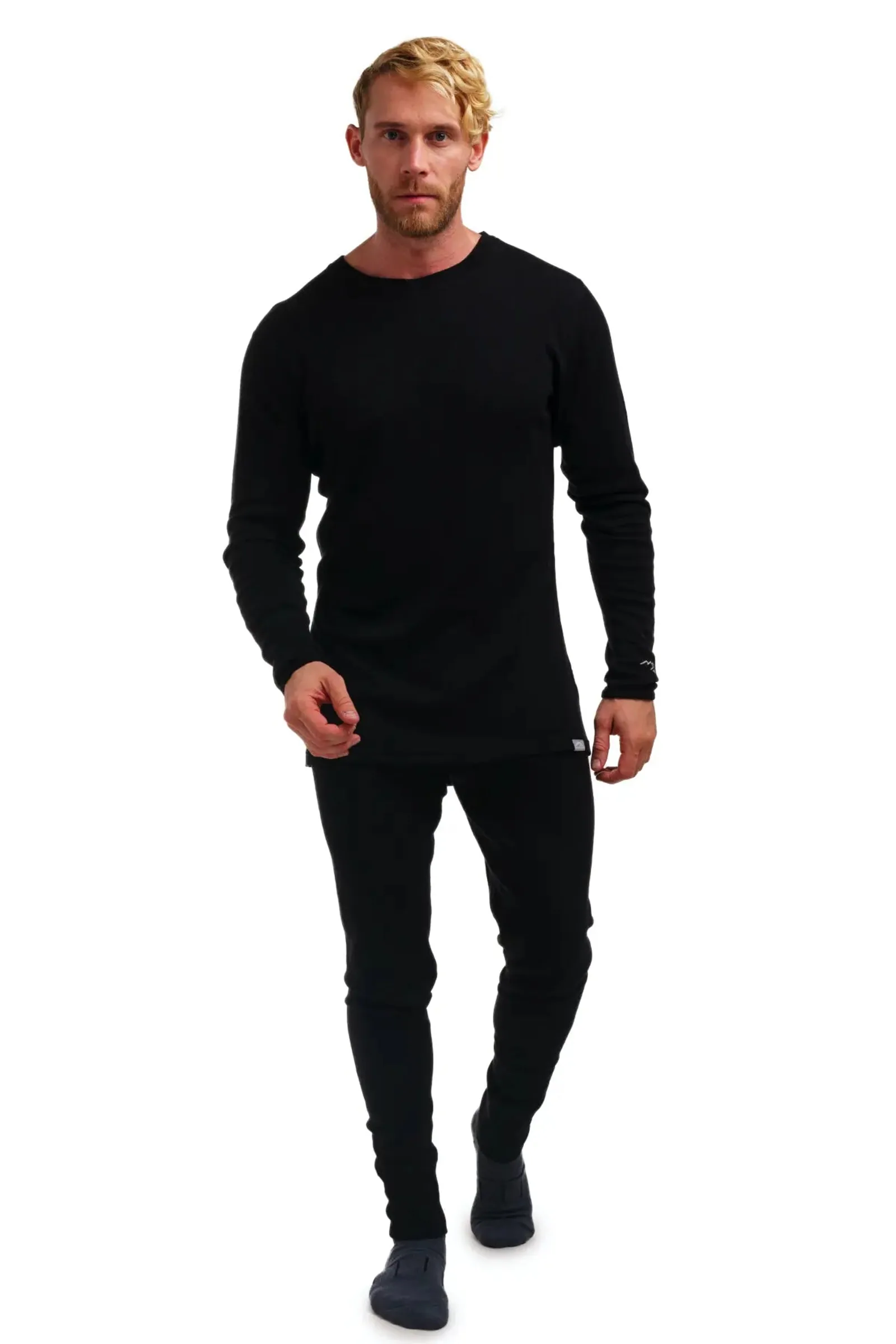
Choose Merino.tech base layers by garment type, activity and existing layers. Compare 165, 250 and 320 references without relying on temperature promises.
Compare Merino.tech T-shirts by sleeve coverage, fabric weight, neckline and care. Use the 180 Charcoal Grey model as a dated buying reference.
Choose a Merino.tech size using the right chart, measurement method and indoor fit check. Avoid confusing flat garment widths with body circumferences.
Understand 165, 180, 200, 250 and 320 GSM, then choose a merino layer by effort, fit and your outfit—not a universal temperature promise.
READ THE CONTEXT
A closer look at the decisions behind this part of the field guide.
Check what the product name actually includes. A model photographed with another garment may still be sold as a single piece. A bundle can include an accessory whose composition differs from the main clothing. When assessing value, list every piece you intend to buy and compare that full basket. For fit, check the top and bottom separately; a comfortable shirt size does not automatically determine the best size for pants.
Fabric weight is one decision inside the category you need. Sleeve length, neckline, seam placement and the room available under your next layer can change the usefulness of a garment. Our GSM guide explains the published numbers, while the sizing guide helps you compare measurements. Use the care guide before ordering if your trip or household routine limits how you can wash and dry the item.