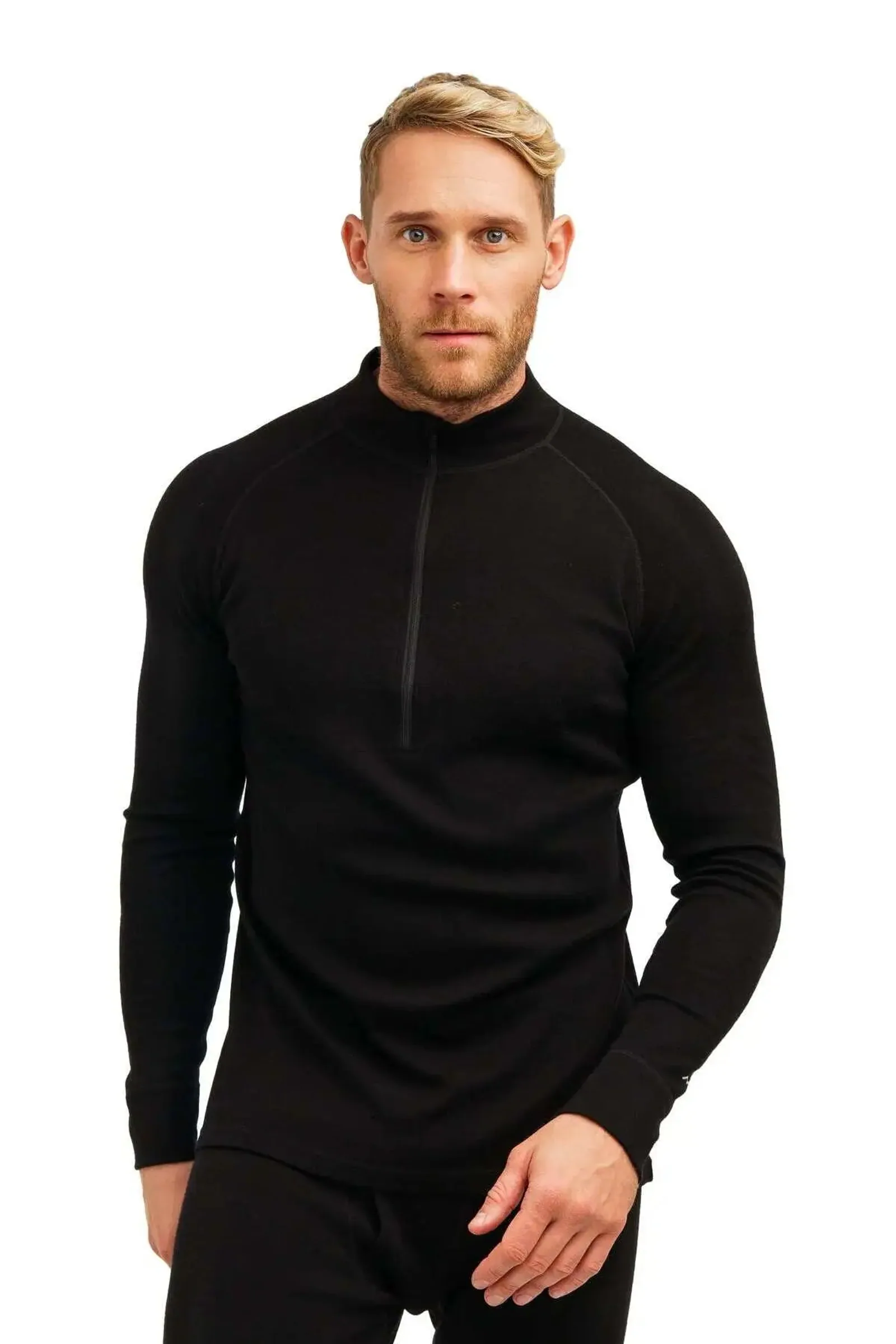
Merino Wool GSM: Choose Weight Without a Temperature Chart
Understand 165, 180, 200, 250 and 320 GSM, then choose a merino layer by effort, fit and your outfit—not a universal temperature promise.
Source-based research
Use a transparent fabric-weight finder and a side-by-side model comparison to organize your merino clothing shortlist without creating an account.
Find your base layer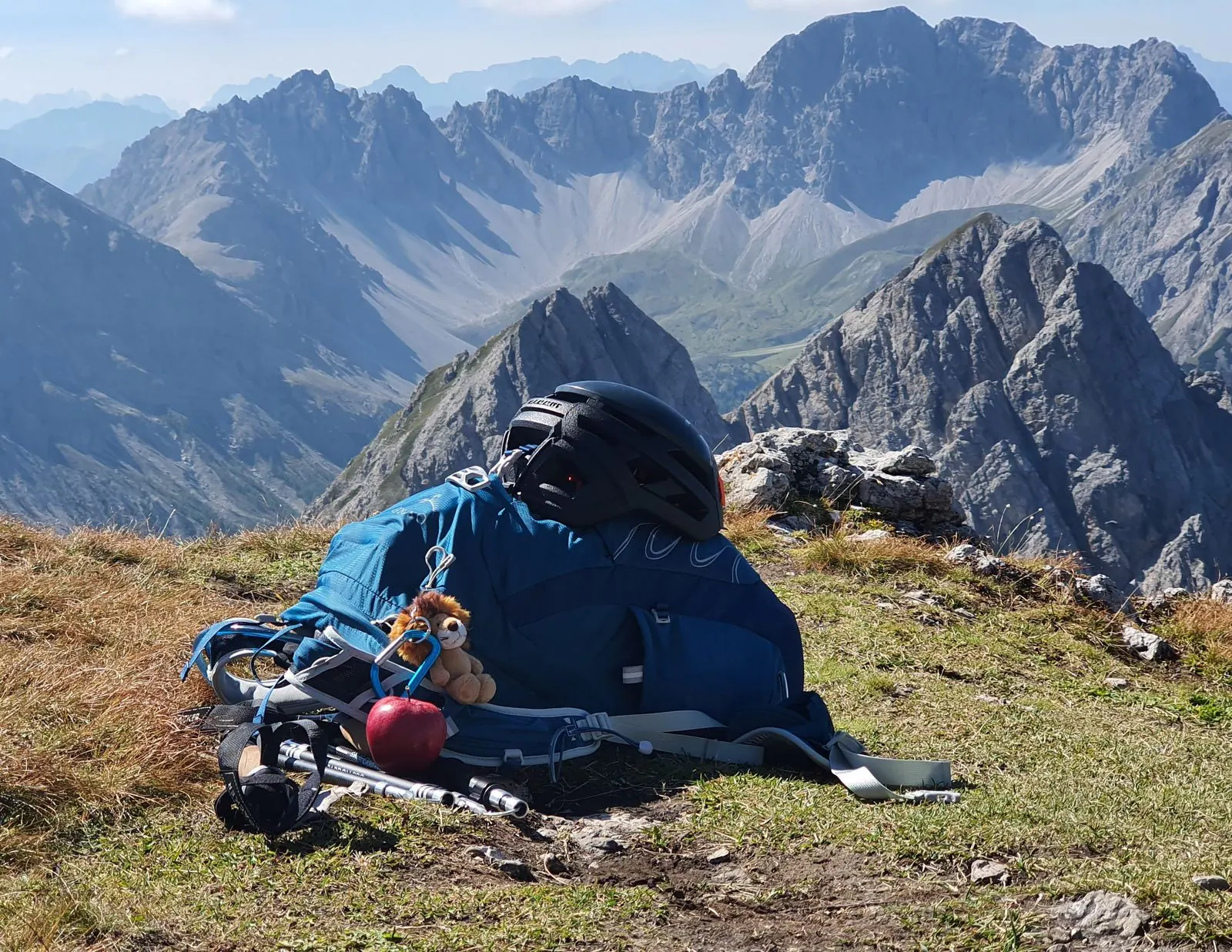
Use the base-layer finder when you know the kind of day ahead but are unsure where to begin with fabric weight. Select your expected movement and broad conditions, then add your preferences for fit, skin comfort and trip length. The tool explains a starting weight band and the reasons behind it. Its rules do not predict a personal temperature limit. Use the model comparison when you already have product names to investigate. You can keep up to three references beside one another and compare the published fabric, fit and source information. An unknown field stays unknown. The tools work without an account, and the finder does not send your answers to a recommendation service. After narrowing the options, read the exact size chart, garment label and buying conditions. Treat the result as a better set of questions to bring to the official listing, rather than a score that makes the purchase decision for you.
Understand 165, 180, 200, 250 and 320 GSM, then choose a merino layer by effort, fit and your outfit—not a universal temperature promise.
Choose merino base layers by needed pieces, fit, fabric weight and care. Build a suitable outfit before comparing bundles, brands or discounts.
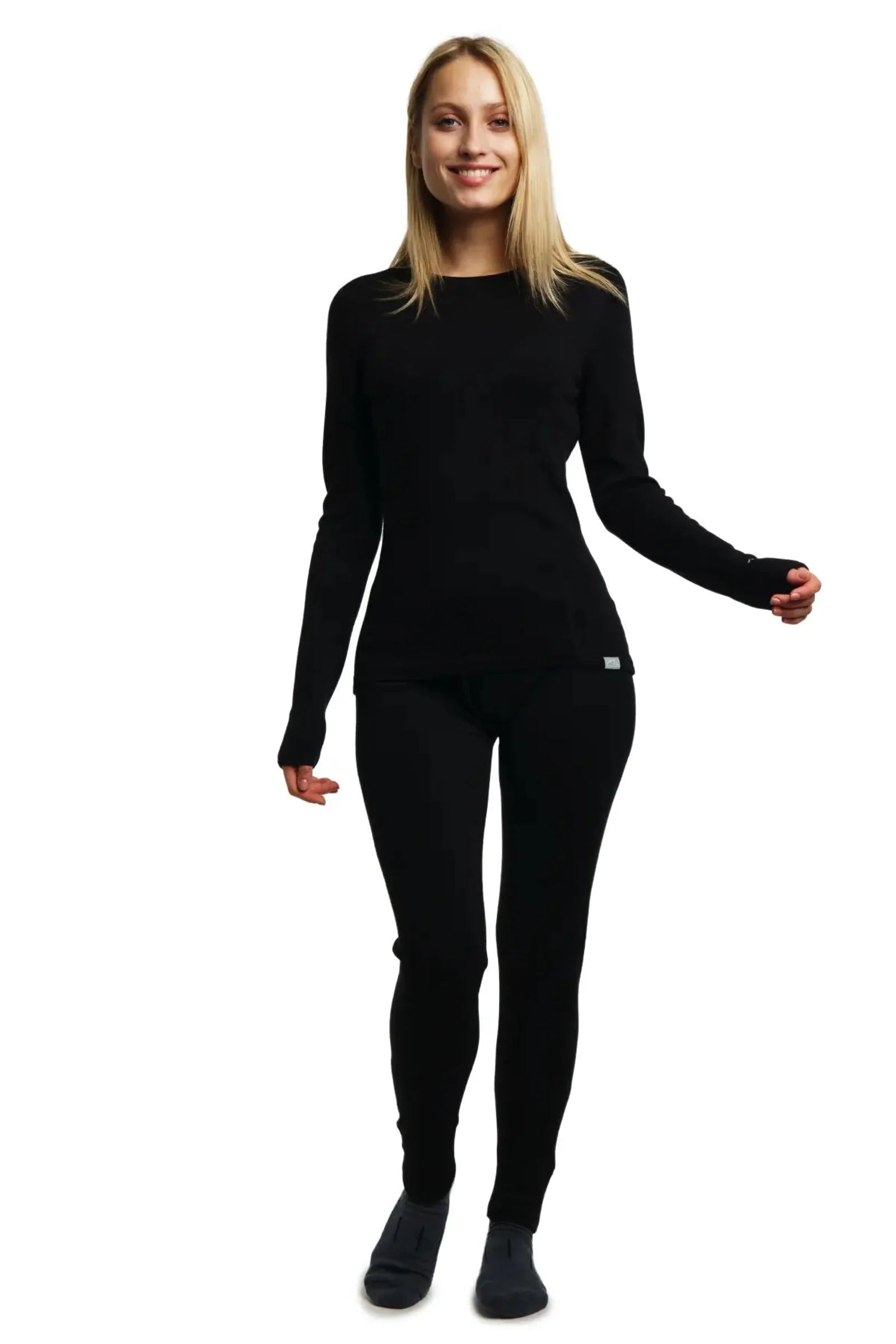
Choose a Merino.tech size using the right chart, measurement method and indoor fit check. Avoid confusing flat garment widths with body circumferences.
Merino can feel different from coarse wool, but no garment is itch-free for everyone. Understand microns, seams, fit and a sensible first try-on.
Tell us about the day ahead. See the reasoning behind a suggested fabric weight.
02 / DETAILS SIDE BY SIDECompare up to three products. Unknown details stay unknown.
READ THE CONTEXT
A closer look at the decisions behind this part of the field guide.
Rule set 1.0 gives priority to movement and broad conditions. Higher effort or mild conditions point toward a lighter starting band; lower movement in cold conditions points toward a heavier band; other combinations begin at midweight. Fit, sensitivity and trip length add practical notes. The editorial bands group weights below 190 GSM as light, 190–289 GSM as midweight, and 290 GSM or above as heavy. These ranges organize this tool; they are not universal manufacturing standards.
The model tool displays individual items, which can differ in garment type as well as weight. Check whether each reference is a top, bottom, hoodie or set before comparing value. Merino.tech purchase buttons open the matching product, while other brands remain comparison references. The tool does not measure warmth, assign review stars or invent a durability ranking. Use the supporting guides when a listed specification needs more explanation.