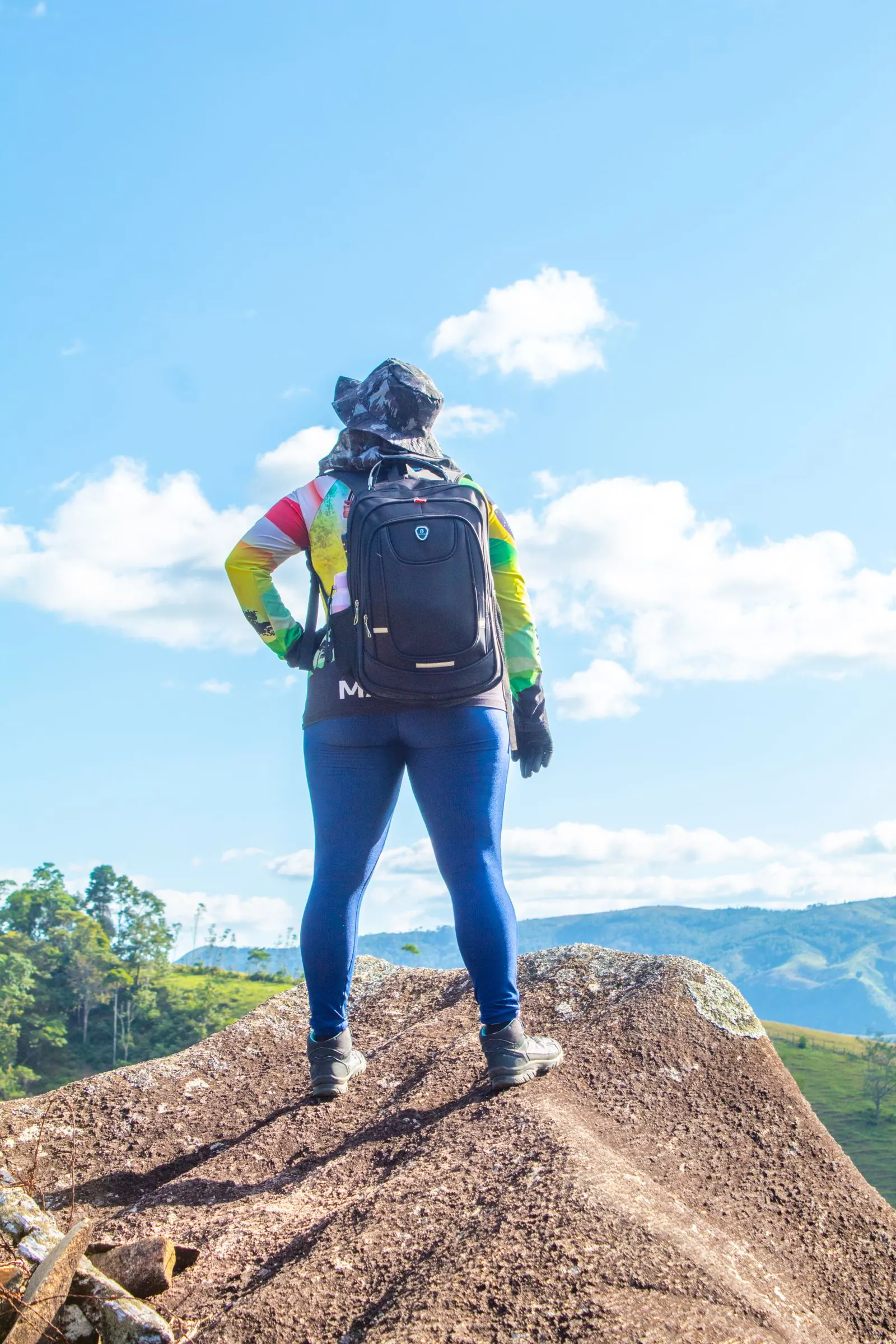
Merino for Hiking: Choose Layers for Movement and Stops
Choose hiking merino by effort, backpack fit and your full clothing system. Use a practical pre-trip check rather than a temperature or durability promise.
Source-based research
Choose a merino base-layer starting point around movement, pauses, changing conditions and how the complete outfit will work.
Find your next useful read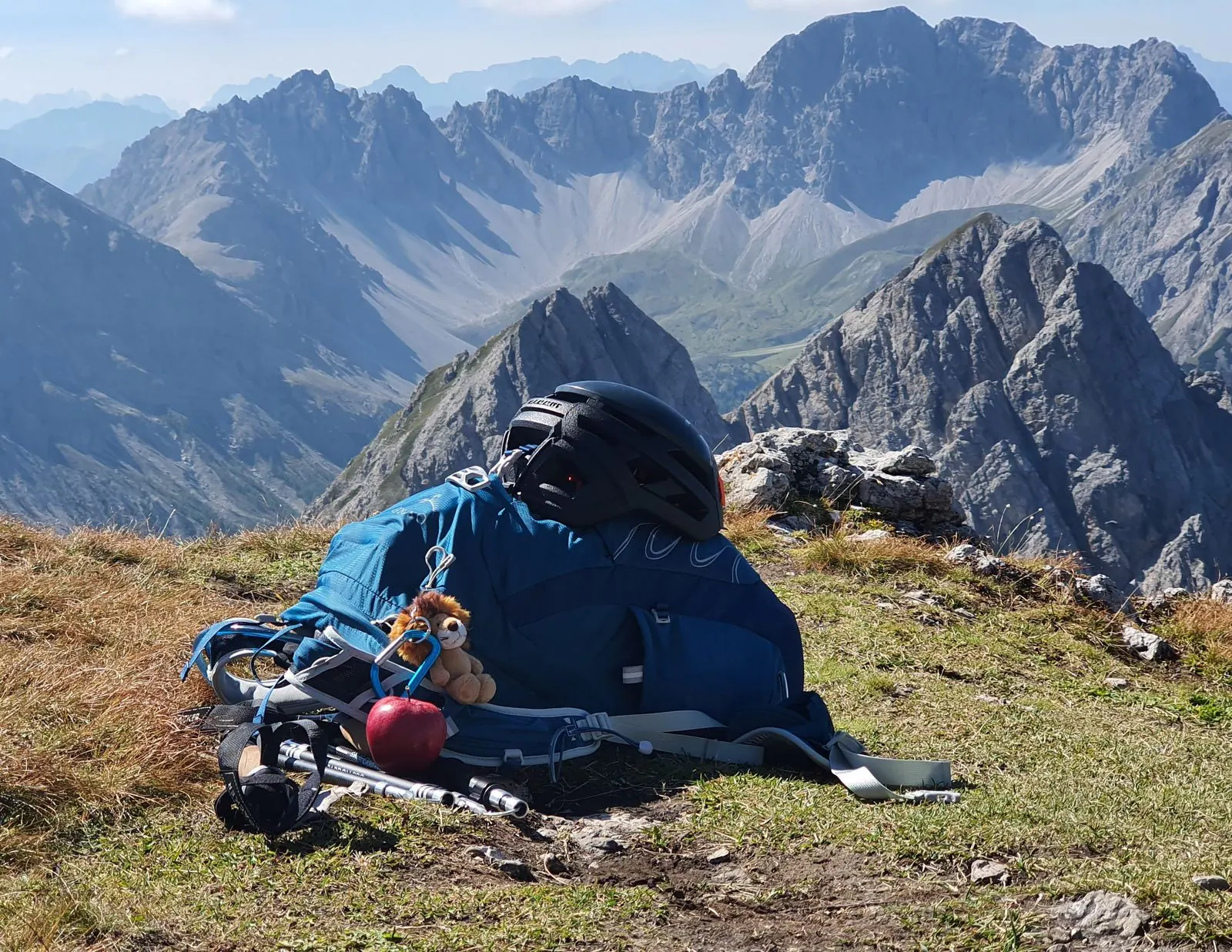
A useful clothing plan begins with what you expect to do. For a hike, consider sustained climbs, easier walking, stops and the clothing you will carry for changes in conditions. For travel, think about time in transit, indoor transitions, how often you can wash and where clothing will dry. The same garment can take part in either routine, but the reasons for choosing it may differ. Our hiking and travel guides turn those situations into concrete questions for your shortlist. Use the fabric-weight guide to understand the listed GSM, then check the exact model, fit and care directions. The base-layer finder can help organize your answers about movement and broad conditions. Its result is a starting point for comparison, not a forecast of your comfort. Keep the rest of the outfit and your own experience in the plan, especially when a day includes both effort and long pauses.
Choose hiking merino by effort, backpack fit and your full clothing system. Use a practical pre-trip check rather than a temperature or durability promise.
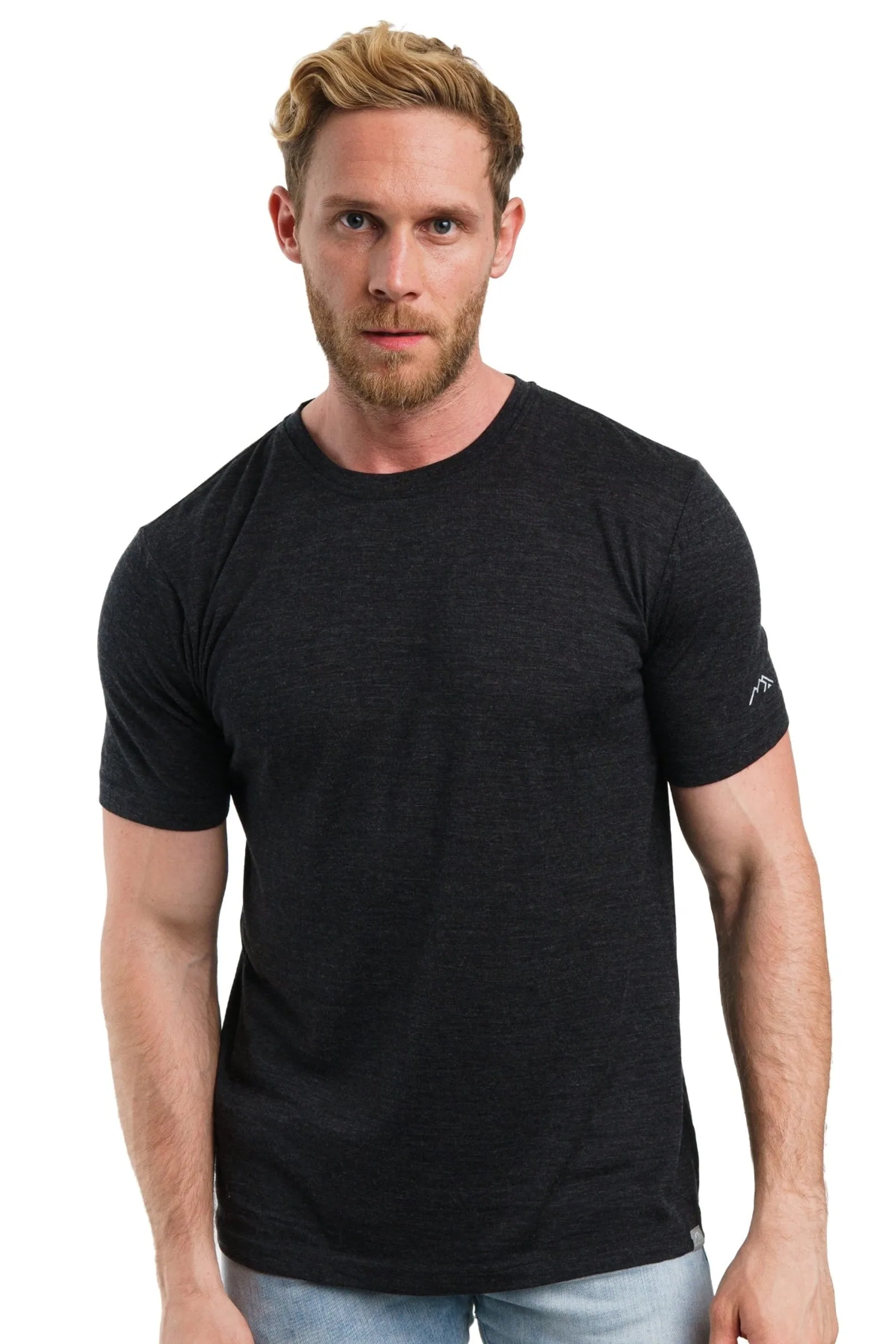
Choose travel merino around outfits, climate changes and actual laundry access. Plan a useful spare instead of relying on odor or overnight-drying promises.
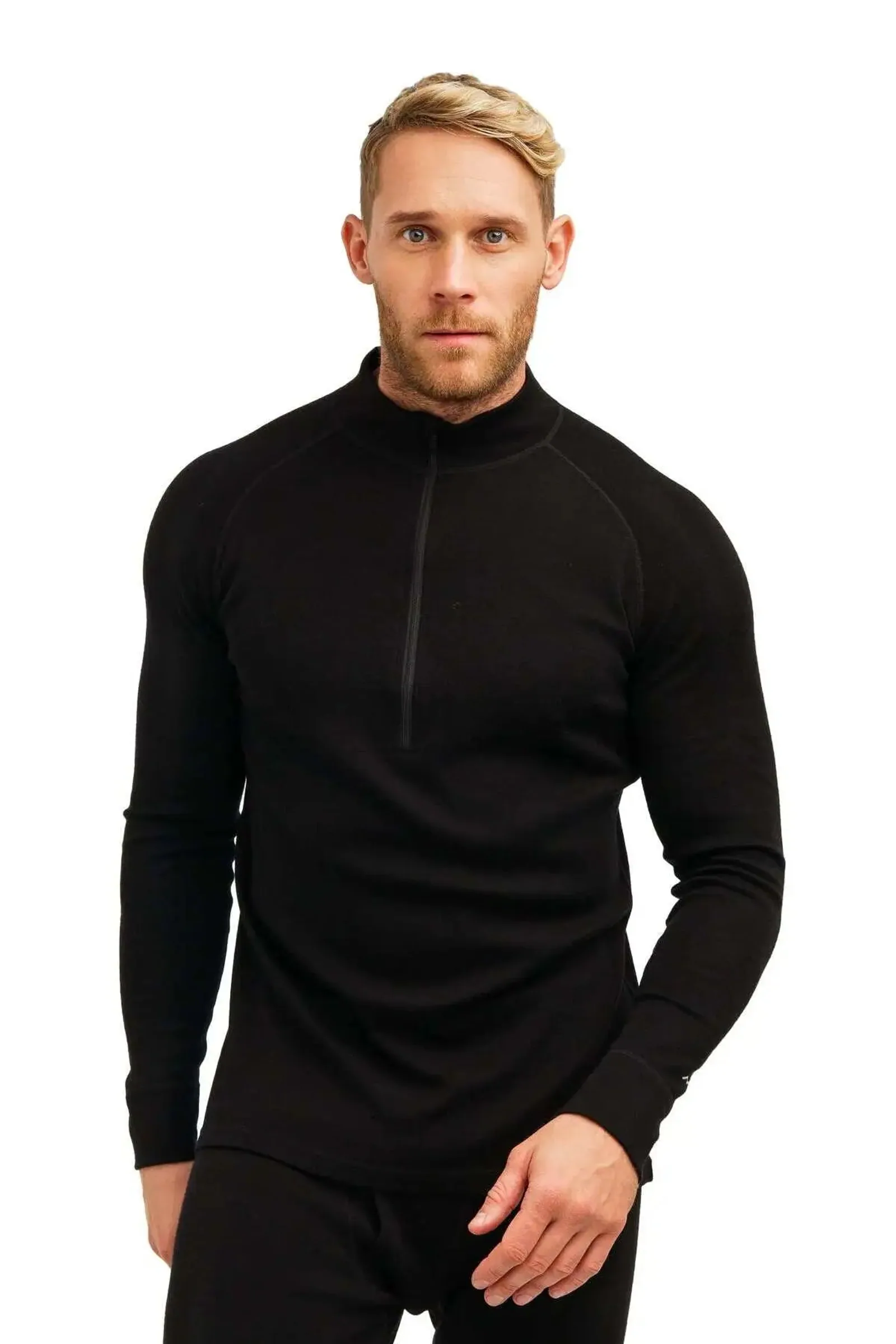
Choose merino base layers by needed pieces, fit, fabric weight and care. Build a suitable outfit before comparing bundles, brands or discounts.
Understand 165, 180, 200, 250 and 320 GSM, then choose a merino layer by effort, fit and your outfit—not a universal temperature promise.
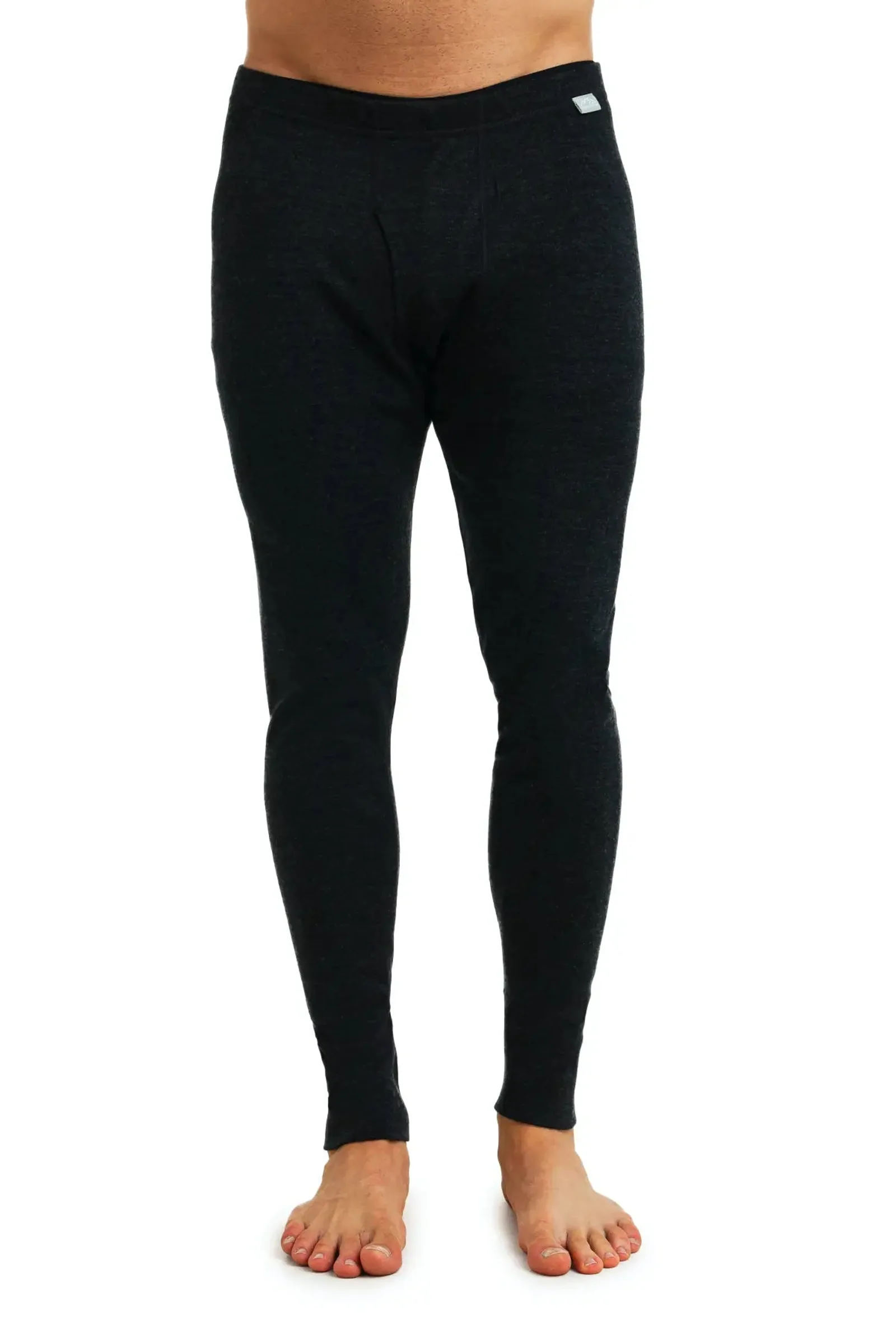
Wash merino using the delivered garment’s instructions. Build a practical sorting, detergent and drying routine, with Merino.tech-specific examples.
READ THE CONTEXT
A closer look at the decisions behind this part of the field guide.
Read the hiking guide if you are balancing movement with changing conditions. Identify what you will wear while active and what you will have available when you stop. Check how the base layer sits under your other clothing and whether the model's care requirements fit repeated use. A fabric-weight number cannot account for every combination of wind, moisture, exertion and personal preference, so leave room to adapt the whole outfit.
Read the travel guide when you want each item to earn its place in a bag. Start with the occasions you need to cover and the pieces that work together. Check the garment's washing directions and the drying arrangements available where you are staying. Do not build a packing plan around a promised number of odor-free wears or an assumed overnight drying time. Choose a practical rotation that fits your itinerary and your comfort.