We use published product information and cited sources. This is not a report of a wear test. Prices, offers, and policies can change.
Our editorial approachChoose for the hike you will actually do
For hiking, choose a merino layer by movement, pauses, backpack contact and the clothing you will wear over it. A top that seems substantial indoors can be a poor match for an active climb, while a comfortable walking outfit still needs a plan for stopping and changing conditions.
This guide offers a buying and fit-check process, not a field-tested product ranking. Official product and general trip-planning sources were reviewed October 22, 2026. We do not assign a safe outdoor temperature to a GSM number or claim that a merino purchase replaces route-specific preparation.
Write down the route and clothing assumptions
Describe the intended outing before shopping: a short local walk, a longer day with changing terrain, or a multi-day trip. Consider likely effort, pauses and opportunities to adjust clothing. Check current destination information and forecasts rather than buying for a generic label such as 'winter hiking.'
The National Park Service recommends planning for the specific activity and location and treats extra clothing as one part of a wider essentials system. Use its guidance and relevant local information for preparation. Our product comparisons answer clothing-purchase questions; they are not a complete hiking-safety checklist.
Choose a starting layer around your existing system
List your usable midlayer and outer clothing. Then ask whether the missing item needs to be less bulky, offer more arm coverage, fit better or work with a particular neckline. Changing the base layer is only one way to address a gap.
If you expect sustained effort, compare lighter configurations before assuming the heaviest option is more useful. If pauses dominate the problem, examine the removable layers you already have. We have not tested a formula that converts route conditions into an exact fabric weight; the selection remains a reasoned shortlist.
Check the backpack contact points
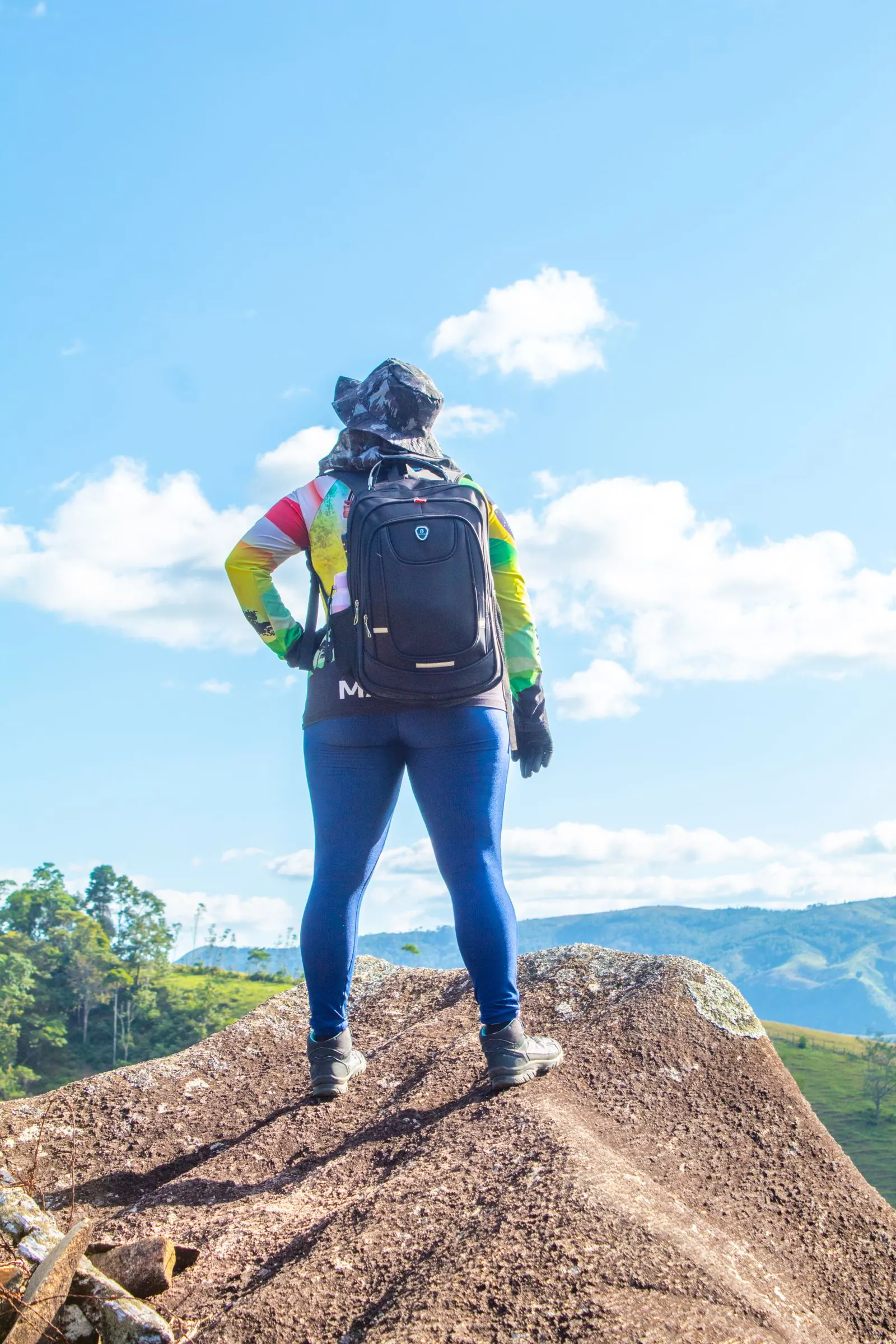
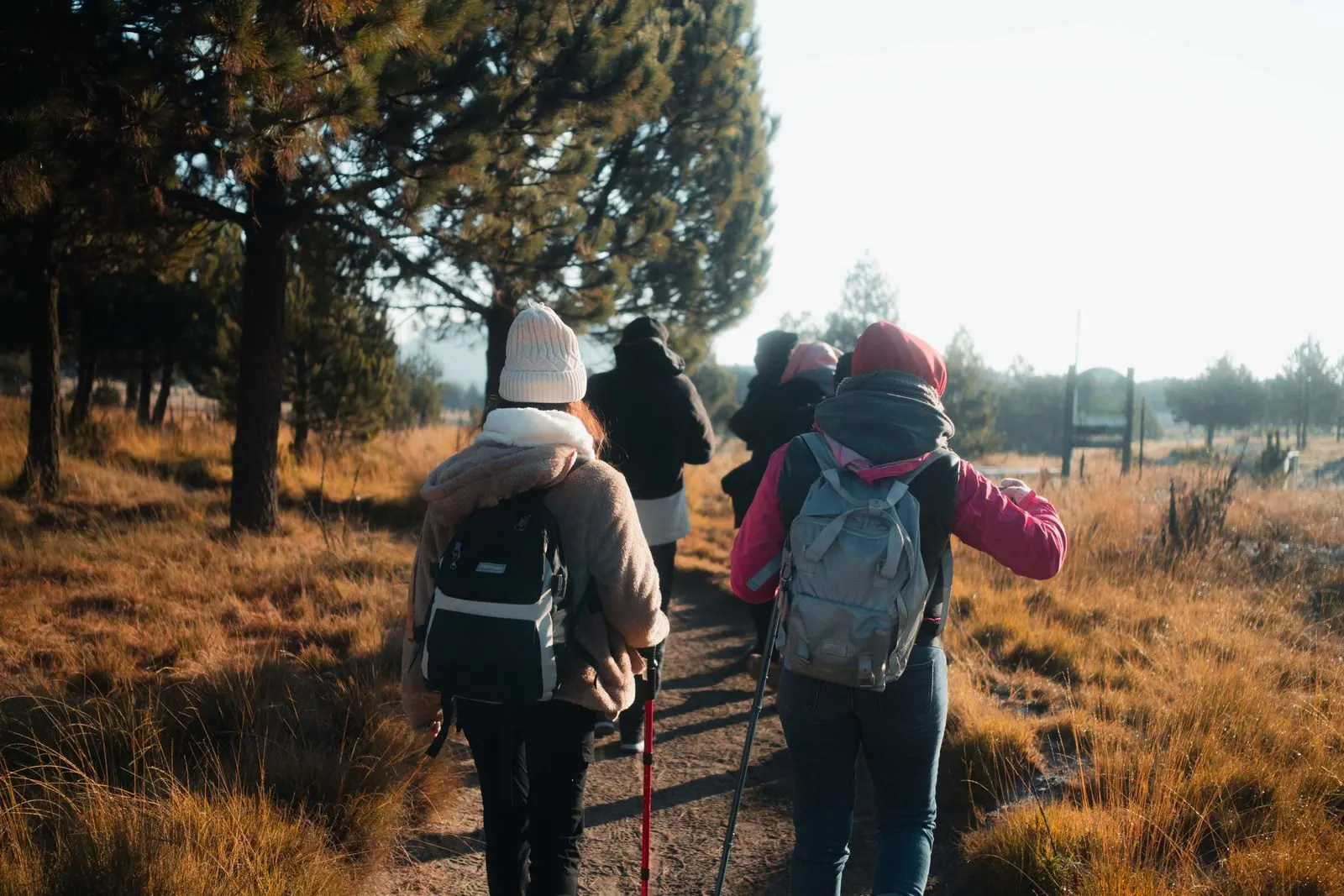
During a permitted indoor fit check, wear the pack and outer layers you intend to use. Look at where shoulder straps, the hipbelt and clothing seams meet. Reach for poles, bend and turn as you would on a normal walk. Notice whether the hem moves or material gathers beneath the belt.
A seam described as reducing friction is a feature to assess, not a promise that it cannot rub. We have no controlled abrasion or comfort test for these garments. A familiar comfortable hiking top can provide a better fit reference than a general size letter.
Use a specific product reference
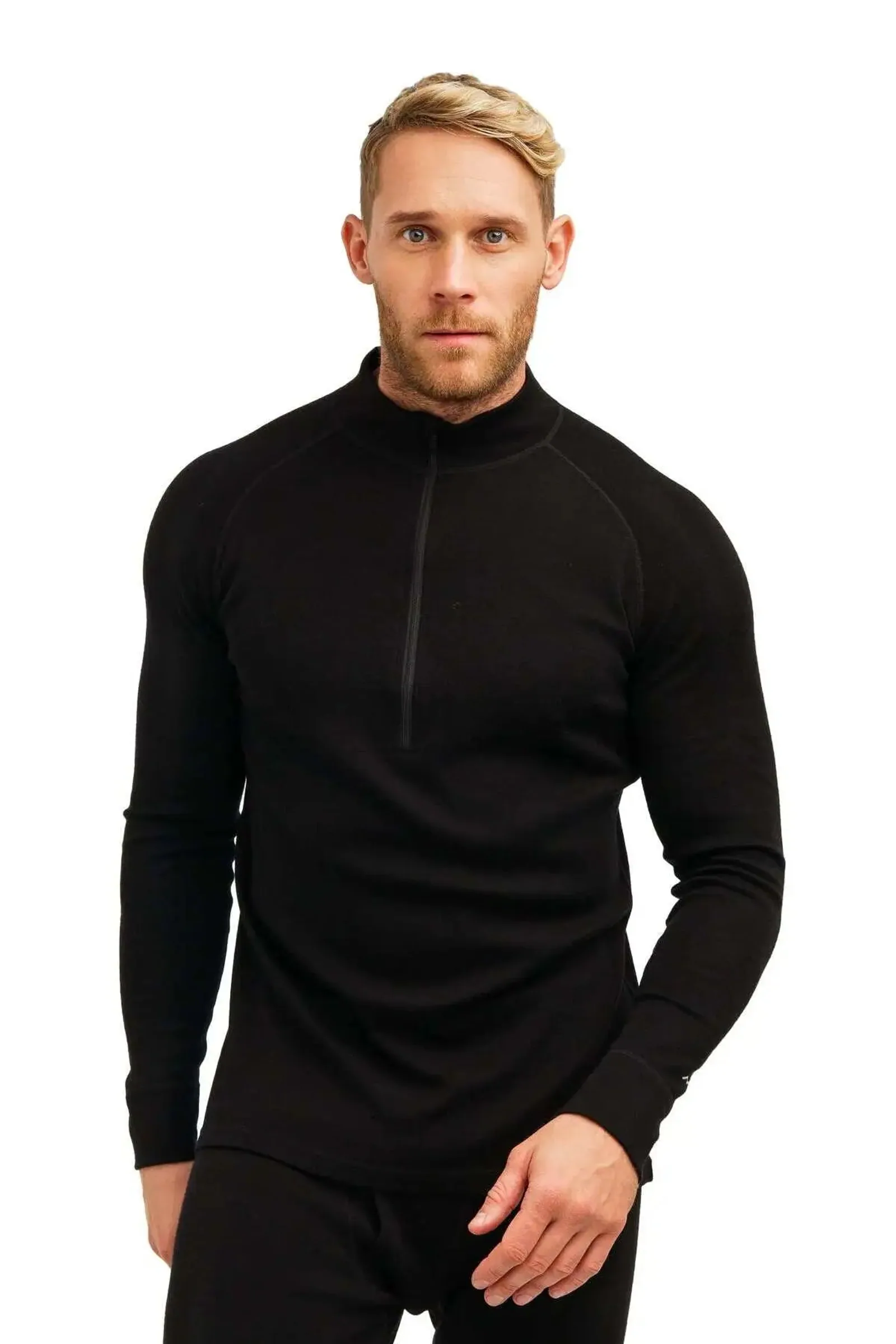
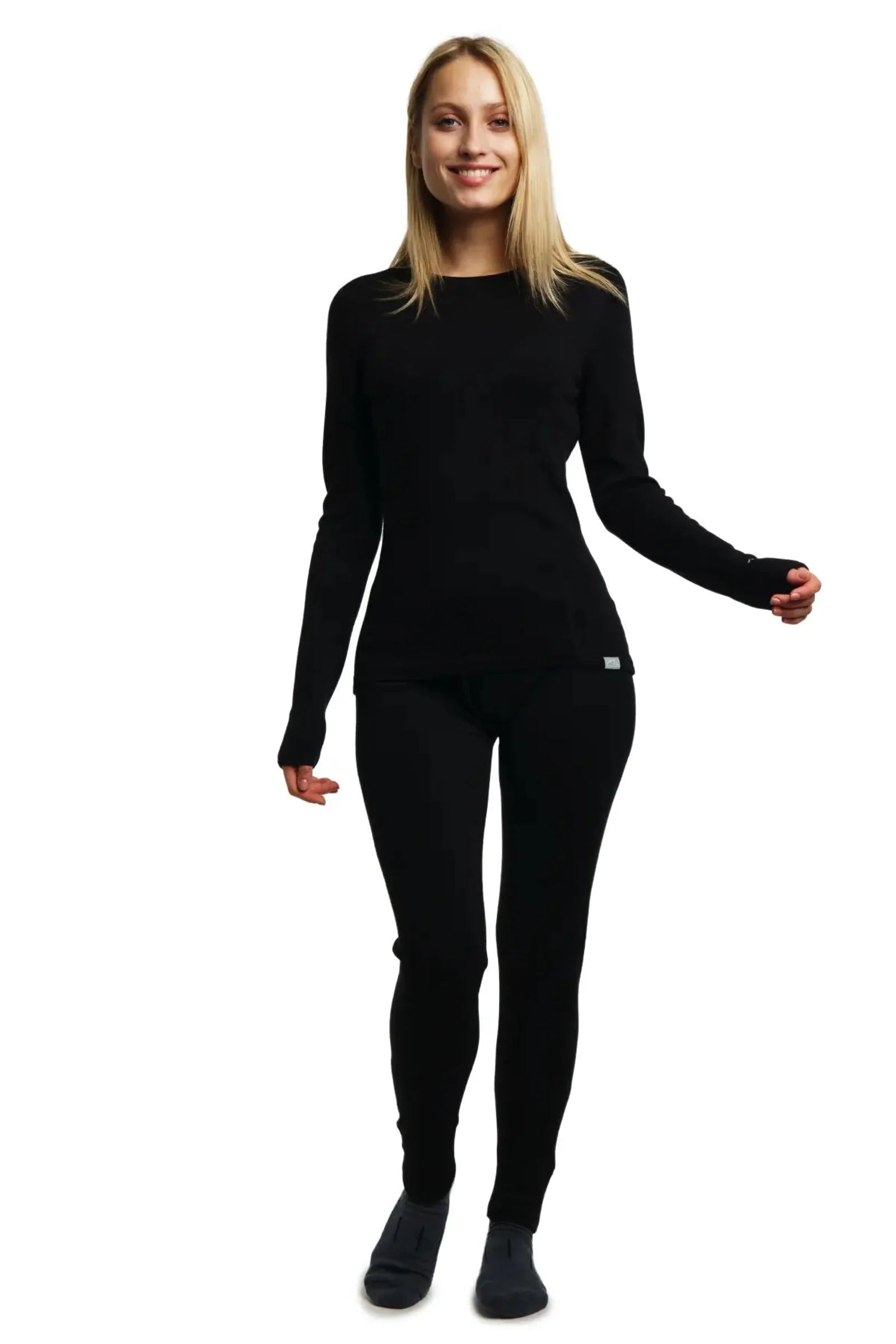
The selected Merino.tech 165 Black long sleeve is one lighter-reference top; the 250 Black set is an outfit reference rather than a required hiking uniform. The choice between them changes the garment count as well as the weight. If your existing bottoms work, compare one needed top instead of buying a full set by default.
Check the exact composition, current selected size and care label. Do not infer stock from the presence of a product page. A named product is a concrete shopping reference here, not a claim that we have worn it on your route.
Plan cleaning and a workable spare
For a multi-day trip, consider how dirty clothing will be handled and what clean or dry alternatives you need. Do not build the plan around a fixed number of odor-free days or an unmeasured overnight drying promise. Individual use and facilities vary.
A spare should solve a specific rotation or contingency problem. It does not need to duplicate every piece you own. Read the garment's instructions before deciding that a trail or accommodation laundry setup will work. If suitable care is unavailable, account for that limitation before buying.
Try the outfit before an important trip
Once you have kept the purchase and can use it within its instructions, assess the complete outfit on an appropriate familiar outing before relying on it for a more important trip. Record practical observations such as sleeve movement, collar comfort or pack interaction rather than trying to declare a universal temperature boundary.
An individual experience helps your own planning but is not a laboratory result or proof that all sizes behave the same. Do not confuse testing a fit at home with permission to use an item outdoors and then return it as unused.
Compare price after the fit decision
If a garment solves the needed problem, compare the real basket cost and seller terms. A bundle is less useful if half the outfit does not suit your existing clothing or size. Our sizing, GSM and named-brand guides help separate those decisions.
We may earn commission through Merino.tech links. No commission establishes a product's safety, durability or fit for a particular hike. Choose based on the actual clothing requirement, and keep route preparation and the rest of the essentials separate from the shopping decision.
Q&A / THE USEFUL ANSWERS
Common questions.
What merino weight should I use for hiking?
There is no route-independent answer. Consider effort, pauses, existing layers, fit and current location-specific information. GSM is a selection aid, not a safe-temperature rating.
Do I need a thermal set for a day hike?
Not automatically. Buy the pieces missing from your current outfit, and consider upper and lower body fit separately.
Will merino prevent rubbing under a backpack?
No guarantee is made. Assess actual seam and strap positions with your pack; we have not conducted a matched friction test.
Can I rely on one shirt for a multi-day trip?
Do not base a trip on an unverified wear-count or drying promise. Plan hygiene, available care and suitable clean or dry alternatives.
Have you field-tested the recommended model?
No. The product references are based on official information and original buying analysis, not claimed trail experience.
REFERENCES / FOLLOW THE EVIDENCE
Sources & checks.
- US National Park Service: Ten Essentials Checked Oct 22, 2026
- Merino.tech Men's Long Sleeve 165 Black Checked Oct 22, 2026
- Merino.tech Men's Thermal Set 250 Black Checked Oct 22, 2026
- Merino.tech fabric-weight guide Checked Oct 22, 2026
- Woolmark: Caring for Wool Checked Oct 22, 2026
Found something that needs a correction? Let us know.